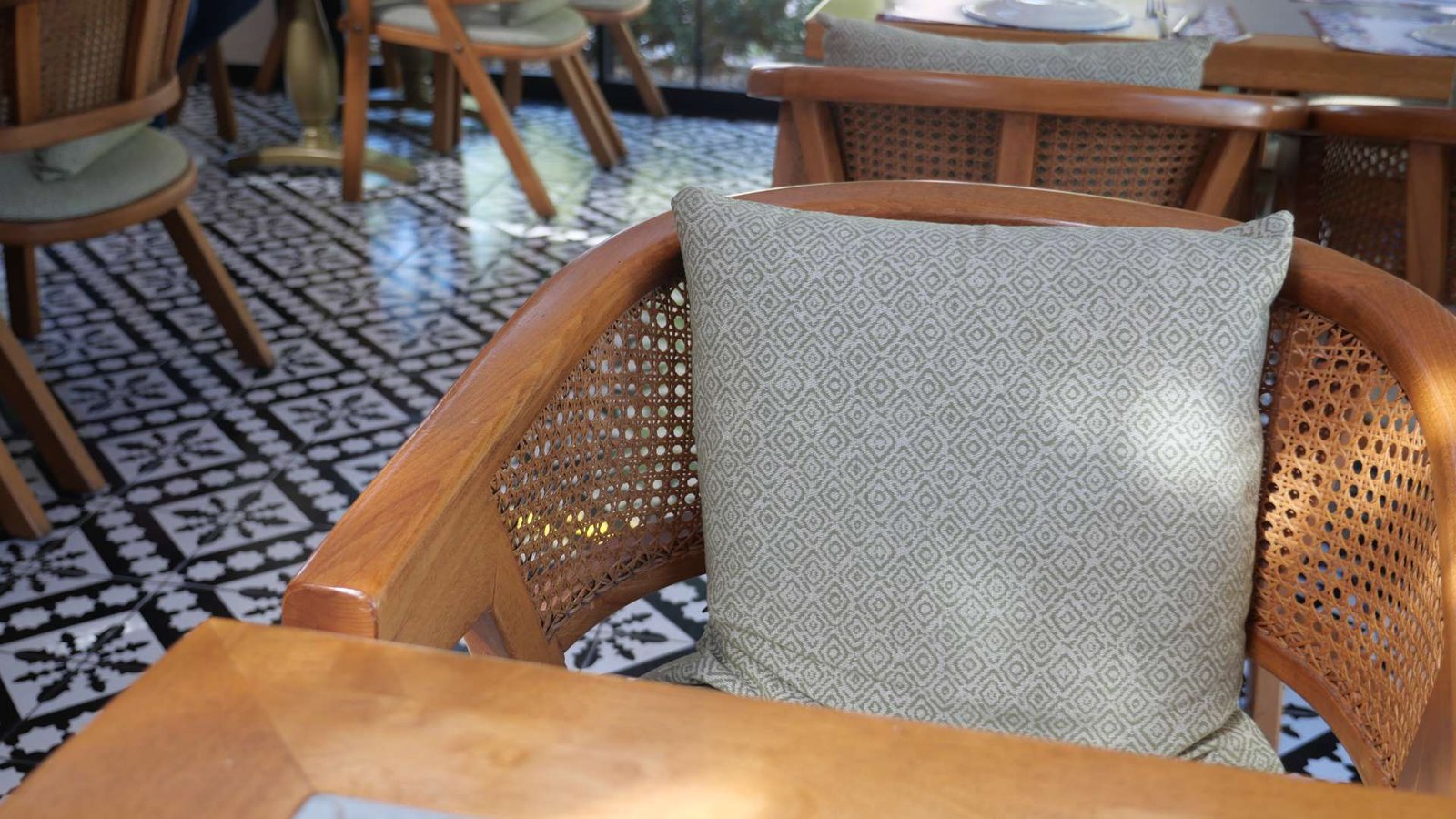
Discover teak vs. synthetic rattan for outdoor furniture: teak offers timeless strength, while synthetic rattan excels in low-maintenance resilience. Ideal for exporters seeking sustainable, long-lasting designs from Indonesia.
In the competitive world of international trade, selecting the right materials for outdoor furniture is paramount for exporters aiming to deliver products that withstand diverse climates while appealing to discerning global buyers. As a leading outdoor furniture exporter from Indonesia, Karya Exindo Prima understands the intricate balance between natural elegance and engineered resilience. Teak wood, a hallmark of Indonesian craftsmanship, has long been celebrated for its enduring strength, while synthetic rattan emerges as a modern contender offering low-maintenance versatility. This comprehensive comparison explores their durability, design potential, and sustainability—key factors for B2B buyers, designers, and hospitality professionals sourcing high-quality pieces. Whether outfitting luxury resorts in Europe or patios in North America, understanding teak versus synthetic rattan empowers informed decisions that enhance product longevity and customer satisfaction.
Understanding Teak Wood: The Timeless Choice for Outdoor Durability
Teak wood (Tectona grandis), native to Indonesia's lush plantations, stands as a gold standard in outdoor furniture manufacturing. Renowned for its rich golden-brown grain and natural oils, teak has been utilized for centuries in shipbuilding, temples, and now premium garden collections. For exporters, teak's appeal lies in its inherent resistance to environmental stressors, making it a staple in global markets.
Key Durability Factors of Teak
Teak's exceptional lifespan—often exceeding 50 years with minimal intervention—stems from its high silica content and natural preservatives like tectoquinones. These elements repel water, inhibit rot, and deter insects such as termites, which are common threats in humid export destinations. In rigorous testing, teak furniture maintains structural integrity through cycles of rain, UV exposure, and temperature fluctuations, far outpacing softer woods.
From a craftsmanship perspective, Indonesian artisans in regions like Jepara employ time-honored joinery techniques, such as mortise-and-tenon, to ensure seamless assembly without adhesives that could degrade over time. This handcrafted precision not only enhances stability but also allows for customizable designs, from sleek lounge chairs to expansive dining sets. For sustainability, Karya Exindo Prima sources FSC-certified teak from managed plantations, aligning with international eco-standards and appealing to environmentally conscious importers.
Maintenance and Longevity in Real-World Applications
While teak requires no sealing for basic protection—its oils form a self-renewing barrier—annual applications of teak oil can preserve its original hue against the desirable silver-gray patina that develops outdoors. In export scenarios, this low-maintenance profile translates to fewer returns and higher resale value, as pieces retain their aesthetic and functional appeal for decades. Hospitality clients, in particular, value teak's ability to endure heavy use in coastal or tropical settings without warping or cracking.
Explore our premium teak collections for examples of export-ready designs that blend durability with sophisticated outdoor aesthetics.
Exploring Synthetic Rattan: Engineered Resilience for Modern Outdoor Living
Synthetic rattan, often crafted from high-density polyethylene (HDPE) or polyvinyl chloride (PVC), replicates the intricate weave of natural rattan while addressing its vulnerabilities. Developed as a sustainable alternative, it pairs lightweight frames—typically aluminum or powder-coated steel—with UV-stabilized fibers, making it a favored material for contemporary exporters targeting urban and resort markets.
Durability Advantages of Synthetic Rattan
Unlike natural rattan, which succumbs to moisture and sunlight within 1-2 years of direct exposure, synthetic variants boast a lifespan of 10-20 years under similar conditions. Their non-porous surface repels water, prevents mildew growth, and resists fading from prolonged UV rays, ensuring colorfastness in vibrant weaves like charcoal gray or coastal beige. This engineered fortitude is particularly beneficial for export to variable climates, such as the rainy seasons of Southeast Asia or the dry heat of the American Southwest.
In terms of craftsmanship, synthetic rattan allows for innovative weaving patterns that enhance ergonomic comfort, such as breathable backs on sofas or modular sections for sectional loungers. Indonesian manufacturers excel here, combining machine-extruded fibers with manual weaving to achieve a handcrafted feel at scale. For B2B buyers, this means scalable production without compromising on quality, ideal for large hotel contracts or retail lines.
Ease of Maintenance and Versatility
Synthetic rattan demands virtually no upkeep— a simple hose-down or mild soap wipe suffices, eliminating the need for covers or indoor storage. This practicality reduces shipping claims related to weather damage and appeals to designers seeking versatile pieces that transition seamlessly from poolside to veranda. Moreover, its recyclability positions it as a forward-thinking option in sustainable design, with many fibers derived from post-consumer plastics.
For a glimpse into our innovative synthetic rattan offerings, visit Top Garden Furniture's product range, where durability meets effortless style.
Head-to-Head Comparison: Teak vs. Synthetic Rattan in Key Areas
To aid procurement decisions, this section delineates the strengths of each material across critical metrics, drawing from industry benchmarks and export experiences.
| Aspect | Teak Wood | Synthetic Rattan |
|---|---|---|
| Lifespan | 50+ years with basic care | 10-20 years, low-maintenance |
| Weather Resistance | Excellent (natural oils repel rot, insects) | Superior (UV-stable, waterproof) |
| Maintenance | Occasional oiling; patina optional | Hose-off cleaning; no treatments |
| Weight | Heavier (stable but less portable) | Lightweight (easy rearrangement) |
| Aesthetics | Warm, natural grain; ages gracefully | Woven textures; customizable colors |
| Cost for Exporters | Higher upfront; premium pricing | Lower material costs; scalable production |
| Sustainability | FSC-certified plantations | Recyclable HDPE; reduces natural resource use |
Teak edges out in sheer longevity and premium appeal, commanding higher margins in luxury segments. Synthetic rattan, however, shines in affordability and adaptability, often preferred for high-traffic commercial installations. Both materials benefit from Indonesia's robust supply chain, where ethical sourcing ensures compliance with EU and U.S. import regulations.
Sustainability and Craftsmanship: Ethical Export from Indonesia
As global demand for eco-friendly products rises, Indonesian exporters like Karya Exindo Prima prioritize sustainability without sacrificing quality. Teak's managed harvesting through Perhutani plantations preserves biodiversity, while synthetic rattan minimizes deforestation by substituting natural vines—abundant in Indonesia but increasingly overharvested. Our commitment extends to artisan empowerment, with workshops employing local craftspeople who infuse each piece with Jepara's renowned woodworking heritage.
This dual focus on teak and synthetic rattan allows for hybrid designs, such as teak frames with rattan weaves, optimizing both durability and environmental impact. For international buyers, partnering with certified exporters reduces supply chain risks and enhances brand narratives around responsible luxury.
Design Innovations and Market Trends in Outdoor Furniture
Current trends favor multifunctional pieces that endure, from modular teak sectionals for urban balconies to stackable synthetic rattan chairs for event rentals. Indonesian design innovations, like weather-adaptive finishes and ergonomic contours, position exporters ahead of the curve. Teak's versatility suits minimalist Scandinavian styles, while synthetic rattan's bold weaves align with tropical resort aesthetics.
Conclusion: Choosing the Right Material for Your Export Needs
Ultimately, teak offers unmatched longevity for heirloom-quality outdoor furniture, ideal for high-end residential and boutique hospitality projects. Synthetic rattan, with its robust weather resistance and ease, excels in commercial and budget-conscious applications, ensuring consistent performance across seasons. Neither is inherently "better"—the choice hinges on your clients' priorities, climate considerations, and design vision.
As an established outdoor furniture exporter Indonesia, Karya Exindo Prima, in partnership with Top Garden Furniture, crafts both materials to international standards. Browse our diverse product lineup to discover ready-to-export solutions that blend craftsmanship, sustainability, and superior durability.
Ready to elevate your inventory with proven, long-lasting designs? Contact our team today for a personalized export quotation and samples tailored to your market. Visit our contact page to start the conversation—your next bestseller awaits in Indonesia's finest traditions.