The Role of Craftsmanship in Jepara’s Outdoor Furniture Industry: Heritage, Precision, Export Excellence
Nestled on Java’s northern coast, the regency of Jepara has earned global recognition as the beating heart of Indonesia’s fine-woodworking tradition. For centuries, its artisans have transformed raw teak into heirloom pieces that grace palaces, yachts, and luxury resorts worldwide. Today, as a trusted outdoor furniture exporter from Indonesia, Karya Exindo Prima carries forward this legacy, blending age-old hand skills with modern export standards. This article examines the irreplaceable role of Jepara craftsmanship in creating outdoor furniture that is not only beautiful but built to endure decades of sun, salt, and rain.
A Living Heritage: 500 Years of Carving Mastery
Jepara’s story begins in the 16th century under Queen Kalinyamat, whose palace workshops attracted master carvers from Java, Bali, and even Ming-dynasty China. Techniques travelled along ancient spice routes: intricate floral reliefs inspired by Islamic arabesque, structural joinery borrowed from Chinese shipbuilding, and organic motifs drawn from Hindu-Balinese temples. These influences remain visible in every curve of a Jepara teak lounger or the delicate lattice of a synthetic-rattan daybed.
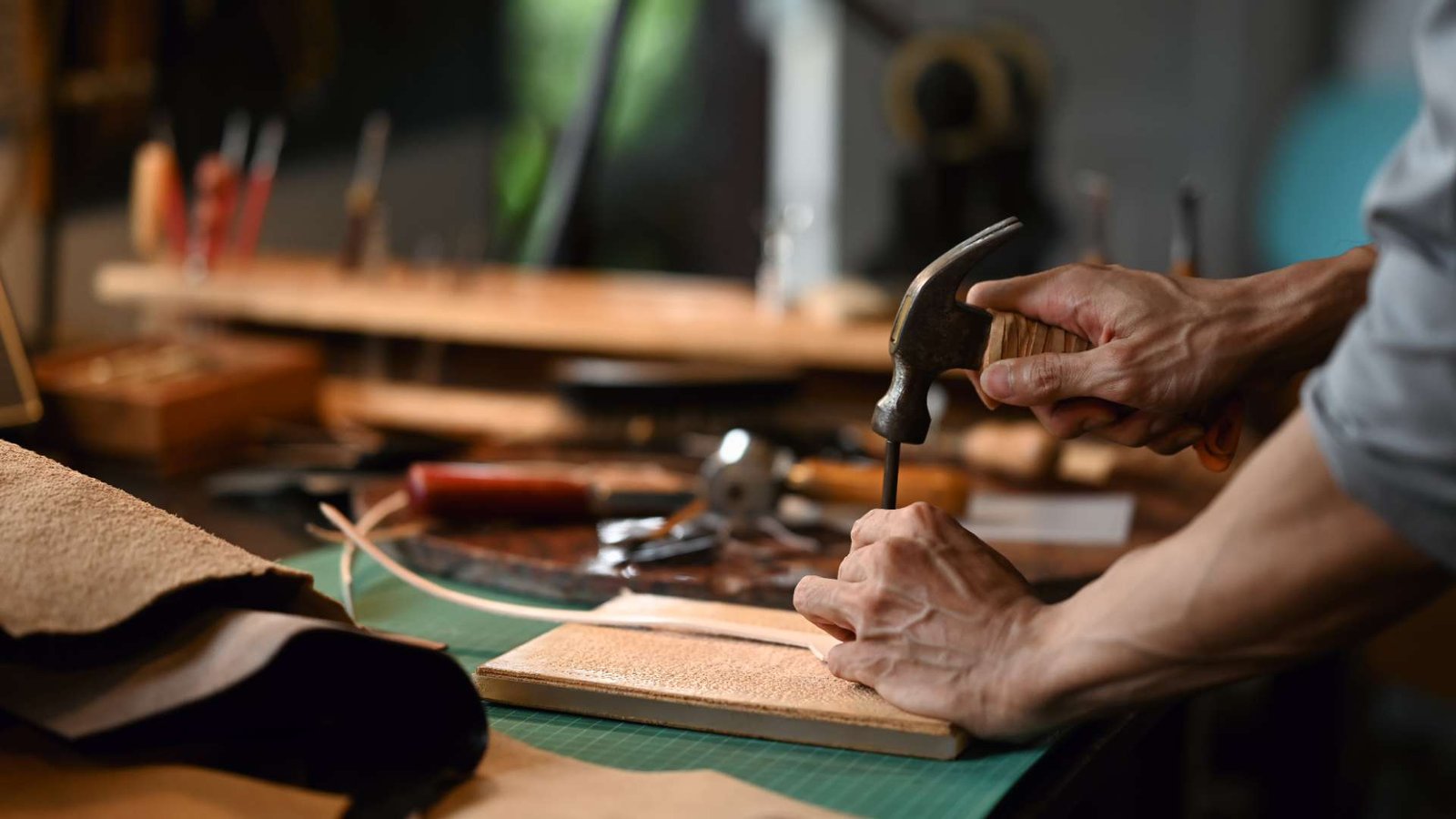
Walk through any Jepara workshop today and the air hums with the rhythm of mallets, chisels, and spoken Javanese. Grandfathers teach grandsons to “listen” to the wood—feeling grain direction before the first cut. This oral transmission ensures that every Karya Exindo Prima piece carries authentic DNA traceable to the Majapahit era.
The Five Signature Techniques That Define Jepara Outdoor Furniture
1. Gebyok-Inspired Relief Carving
Deep, three-dimensional floral panels—originally palace screens—are scaled down to chair backs and table aprons. Each motif is sketched freehand, then carved with a dozen specialised chisels. The result: shadows that dance across the wood at sunset, adding depth no machine can replicate.
2. Blind Mortise-and-Tenon Joinery
Hidden joints lock frames without a single nail or screw. Teak dowels, swollen slightly by humidity, create bonds stronger than modern adhesives. When a Jepara dining set arrives in Oslo or Orlando, it survives flat-pack shipping and reassembles rock-solid.
3. Hand-Planed Mirror Finish
After sanding through eight grits, artisans burnish surfaces with dried horsetail grass. The glassy feel repels water naturally and reveals teak’s golden figure. Clients opening a crate in Dubai often remark they can smell the ocean in the wood.
4. Ergonomic Steam-Bending
Teak slats are softened over coconut-husk steam, then clamped into gentle curves that cradle the spine. This 400-year-old method produces lounge chairs that invite eight-hour conversations without numbness.
5. Hybrid Weaving for Synthetic Rattan
Even when working HDPE fibre, Jepara weavers apply traditional rattan patterns—sunburst, honeycomb, herringbone—by hand. The aluminium frame receives powder-coating mixed to match teak tones, creating seamless indoor-outdoor flow.
Explore these techniques in action across our Jepara collections.
From Village Workshop to Global Container: The Export Journey
A single teak dining set may pass through twelve pairs of hands before it leaves Jepara:
- The logger marks only mature trees in Perhutani Block 42.
- Sawyers quarter-log by hand to preserve widest boards for table tops.
- Seasoning sheds air-dry planks for nine months, preventing cracks in Scandinavian winters.
- Senior carvers lay out motifs directly on the wood—no printed templates.
- Junior apprentices learn by sanding the master’s work, graduating chisel by chisel.
- Quality captains measure every joint to 0.2 mm tolerance—export standard.
- Final oiling uses a linseed-tung blend rubbed in by palm, never sprayed.
This human chain explains why Top Garden Furniture buyers return season after season: consistency born of pride, not production lines.
Sustainability Woven into Every Cut
Jepara craftsmen treat teak as a communal inheritance. Waste shavings fuel kitchen stoves; off-cuts become children’s toys. Karya Exindo Prima plants three seedlings for every tree harvested, tracked via GPS and shared with European importers for transparency reports. Artisans earn above regional wages and receive health coverage—ensuring the craft itself remains sustainable.
The Designer-Artisan Dialogue
International designers arrive with sketches; Jepara masters respond with clay models and grain samples. A Miami architect once requested sharper angles—artisans countered with subtle chamfers that soften wind resistance. The final Miami Beach cabana set won a German design award and still stands after three hurricanes.
Training the Next Generation
Evening classes at the Jepara Technical School teach CAD alongside chisel work. Girls now comprise 40 % of apprentices, carving motifs once reserved for men. Scholarships funded by export profits keep families in the trade rather than city factories.
Why Craftsmanship Commands Premium Pricing
A machine-made teak lookalike costs $1,200; a Jepara original lists at $3,800. The difference buys:
- Zero glue failure in equatorial heat
- Hand-selected heartwood that ages to silver without splintering
- Story-rich provenance that elevates boutique hotel branding
- 75-year lifespan versus 8–12 years
Retailers recoup the margin through zero returns and Instagram-worthy unboxing videos.
Conclusion: Invest in Hands, Not Just Wood
In an age of mass production, Jepara reminds the world that furniture can still be art, engineering, and legacy in one. Every curve, joint, and finish carries the fingerprint of a craftsperson who signs the underside of each piece—an invisible promise of excellence.
Ready to offer your clients outdoor furniture that tells a 500-year story? Partner with the only outdoor furniture exporter Indonesia whose workshop doors remain open for buyer visits. Browse our handcrafted catalogue, then book a live video tour of the carving floors. Your next container of Jepara masterpieces ships within 21 days—complete with artisan signatures and FSC certificates.